TheJakartaPost
Please Update your browser
Your browser is out of date, and may not be compatible with our website. A list of the most popular web browsers can be found below.
Just click on the icons to get to the download page.


Popular Reads
No popular reads data found
Top Results
No results found. Please check your search term and try again
Can't find what you're looking for?
View all search results
Popular Reads
No popular reads data found
Top Results
No results found. Please check your search term and try again
Can't find what you're looking for?
View all search resultspalm-oil

Regulations 2 months ago
PREMIUM
RI poised for end to EU's discriminatory palm oil rules as WTO deadline passes
Following the expiry of the Feb. 24 implementation deadline, the government is preparing to assess the EU's compliance with a 2025 WTO dispute ruling over its discriminatory policies against Indonesian palm oil.
Economy 2 months ago
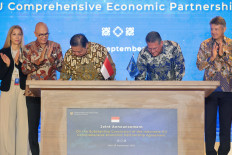
Indonesia secures free palm oil tariffs, but has hands tied on textiles, mining
The deal appears to take aim at what analysts have said are concerns in Washington about China's stranglehold on many critical minerals and the offshoring of Chinese companies' operations to countries like Indonesia.
Markets 3 months ago
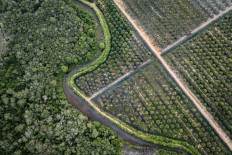
India's January palm oil imports hit four-month high as buyers cut soy oil purchases
Higher palm oil imports by India, the world's largest buyer of vegetable oils, could help reduce inventories in top producers Indonesia and Malaysia, supporting benchmark Malaysian palm oil futures, while pressuring US soy oil futures.

Politics 3 months ago
PREMIUM
AGO searches house of ex-environment minister Siti Nurbaya in palm oil graft probe
The Attorney General’s Office (AGO) has searched the house of former environment minister Siti Nurbaya Bakar as part of its investigation into corruption in the palm oil sector and now plans to summon her for questioning.
Archipelago 3 months ago
PREMIUM
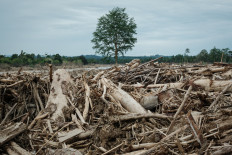
Trial opens for companies accused of environmental damage linked to Sumatra floods
Environmental organizations, including the Indonesian Forum for the Environment (Walhi), attributed the severe impact of the Senyar Cyclone to large-scale deforestation and weak enforcement of environmental regulations in Sumatra Island.
Politics 3 months ago
Government targets illegal mining on 190,000 hectares of forest land
Indonesia's unprecedented crackdown, which has seen military-led teams take over palm plantations and mines, has unnerved the industry, pushing up global palm oil prices over concerns it will hit output, and more recently, powering rallies in the prices of metals like tin.