TheJakartaPost
Please Update your browser
Your browser is out of date, and may not be compatible with our website. A list of the most popular web browsers can be found below.
Just click on the icons to get to the download page.


Popular Reads
No popular reads data found
Top Results
No results found. Please check your search term and try again
Can't find what you're looking for?
View all search results
Popular Reads
No popular reads data found
Top Results
No results found. Please check your search term and try again
Can't find what you're looking for?
View all search resultsdebt

Academia 1 month ago
PREMIUM
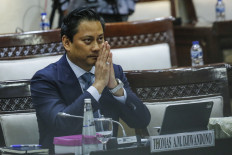
BLBI and the test of central bank’s independence under Prabowo
The failure to settle the BLBI scandal beyond doubt shows that the state has opted for accommodation over confrontation, appearing more fearful of unsetting entrenched economic elites than of losing public funds.

Academia 2 months ago
PREMIUM
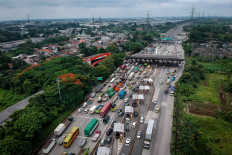
Will Prabowo be more ‘daring’ or more realistic in his fiscal policy in 2026?
The decision to push through a massive budget for the free nutritious meal program reflects misplaced priorities, as the program has yet to show clear benefits in its first year while other critical policies remain underfunded.

Regulations 2 months ago
Trump calls for one-year cap on credit card interest rates at 10%
US President Donald Trump said on Friday he was calling for a one-year cap on credit card interest rates at 10 percent starting on January 20 but he did not provide details on how his plan will come to fruition or how he planned to make companies comply.