The Jakarta Post
Please Update your browser
Your browser is out of date, and may not be compatible with our website. A list of the most popular web browsers can be found below.
Just click on the icons to get to the download page.


Popular Reads
Top Results
No results found. Please check your search term and try again
Can't find what you're looking for?
View all search results
Popular Reads
Top Results
No results found. Please check your search term and try again
Can't find what you're looking for?
View all search resultsstudy

Jakarta 2 months ago
PREMIUM
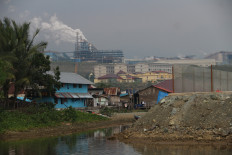
52 percent of Jakarta Schools located near heavy metal-contaminated sites: study
Schools in the wealthiest neighborhood quintile were 49 times more likely to be near documented contaminated sites than those in the poorest areas, as industrial activity and affluent communities often overlap in urban areas.


Academia 3 months ago
PREMIUM
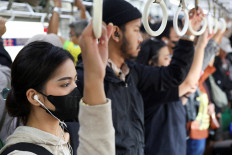
Indonesia plans for where people sleep, not where they live their day
As the administrative boundaries of Indonesia's urban areas blur, millions of people are having to pay a silent "metropolitan tax" that is measured not in currency but in hours of their lives surrendered to daily commutes.

Society 4 months ago
PREMIUM
Watching climate patterns may help bolster dengue response
Observing patterns of atmospheric conditions may help health authorities in better preparing mitigation and prevention efforts against the mosquito-borne disease, a recent study suggests, with the insect expected to flourish more in a warming world.

Academia 4 months ago
PREMIUM
The wrong remedy: Evaluating university study program closures
Closing university programs based solely on immediate employment metrics mistakes a labor-market symptom for an educational diagnosis. Indonesia needs institutions that form human character and an economy capable of receiving them, not a policy that merely moves the burden of unemployment onto the students.

Editorial 5 months ago
PREMIUM
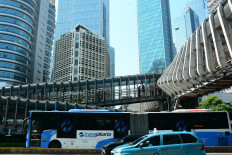
Transit drives growth
While often viewed as a public cost, Transjakarta is actually a massive economic driver generating three times its weight in national output. By shifting focus from fuel subsidies to transit integration, Indonesia can clear its skies and its balance sheets simultaneously.
Academia 5 months ago
PREMIUM
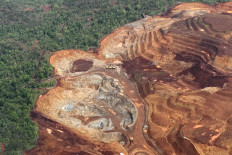
Geopolitical tensions and the urgency of energy sovereignty
The rush toward EV and biofuel adoption risks shifting Indonesia’s ecological burden from coal chimneys to indigenous forests. True energy sovereignty lays not in massive corporate permits but in the resilient, community-led models already thriving in the heart of the archipelago.
Editor's Picks
Popular
- Recentralization concerns in fiscal, education heighten
- Safeguarding Indonesia's AI future
- Twenty years on, BRICS faces a defining choice
- Indonesia calls for more representative UN amid changing world order
- Court decision tightens House oversight on free meals funding
- Indian arrested for smuggling gold bars to Thailand via N. Sumatra airport
- Agrarian reform bill gets mixed reaction
- Singapore’s BDx launches 640MW data center project in West Java
- ASEAN warms to BRICS without sacrificing centrality
- Crew member from missing Anak Krakatau boat identified


