The Jakarta Post
Please Update your browser
Your browser is out of date, and may not be compatible with our website. A list of the most popular web browsers can be found below.
Just click on the icons to get to the download page.


Popular Reads
Top Results
No results found. Please check your search term and try again
Can't find what you're looking for?
View all search results
Popular Reads
Top Results
No results found. Please check your search term and try again
Can't find what you're looking for?
View all search resultsstudent
Academia 2 months ago
PREMIUM
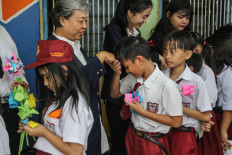
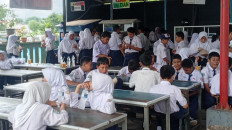
What Indonesian classroom never received
Indonesia’s chronic educational underperformance will never be solved by a top-down curriculum updates. Until policymakers focus on rebuilding foundational cognitive habits, like attention spans and reading stamina, long before students reach university, each new ministerial launch will simply deliver a fresh document to the same broken classroom.
Academia 2 months ago
PREMIUM
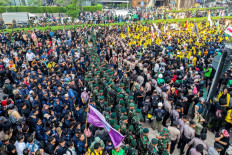
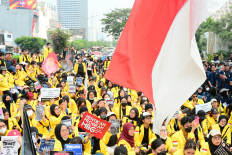
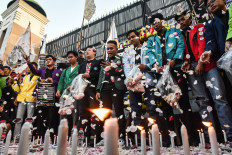
Student protests as the last civilian check against militarism, fiscal populism
Widespread student protests serve as Indonesia's last functional civilian check against a coopted parliament and structural decay. By demanding accountability for flagship populist programs, this growing movement directly challenges the systematic infiltration of militarism into civic governance and the erosion of constitutional fiscal boundaries.
Opinion 2 months ago
PREMIUM
Analysis: Students target Prabowo, military responds swiftly
Students from Indonesia’s leading universities have once again taken to the streets in Jakarta and other major cities, about eight months after the last wave of mass protests turned violent. This time, they are specifically targeting President Prabowo Subianto’s leadership and governing style, which they blame for the country’s current economic difficulties.

Academia 3 months ago
PREMIUM
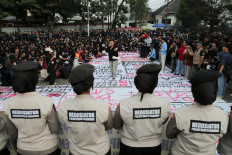
The new Indonesian rebellion: Build, don’t just protest
While student protests expose deep-seated anxieties over economic mismanagement, Indonesia's ultimate survival relies on shifting its revolutionary spirit away from the streets and toward breaking the shackles of economic stagnation.
Editorial 3 months ago
PREMIUM
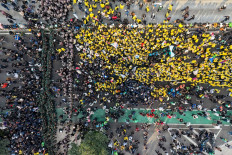
Protest works
In the 20 months that he has been in power, the President has not only had to deal with street protests early in his administration, he has also had to face relentless demonstrations that ebbed and flowed depending on how well the public responded to his policies.
Academia 3 months ago
PREMIUM
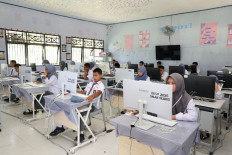
TKA 2026: An early warning for Golden Indonesia vision
TKA 2026 proves Indonesia can measure learning at a massive scale, but if the government cannot fix the stark literacy and numeracy deficits revealed by the data, the promise of "Golden Indonesia 2045" will give way to a staggering demographic burden.
Editor's Picks
Popular
- PISA gains belie Indonesia’s persistent education crisis
- Not the Ministry of Magic
- The benefit of the doubt has expired
- Suahasil seen to prioritize fiscal discipline, continuity
- Osama the gamer: A list of Bin Laden’s video games from his hard drive
- Saudi civil defense sends all-clear after alerts issued for capital Riyadh
- Indonesian Navy welcomes former Italian warship as its first aircraft carrier
- Saudi-led coalition says Houthis fired ballistic missile at Riyadh
- Prabowo skips UNGA as RI seeks to bridge divides
- Another 150 Indonesians deported from Malaysia to Batam


