The Jakarta Post
Please Update your browser
Your browser is out of date, and may not be compatible with our website. A list of the most popular web browsers can be found below.
Just click on the icons to get to the download page.


Popular Reads
Top Results
No results found. Please check your search term and try again
Can't find what you're looking for?
View all search results
Popular Reads
Top Results
No results found. Please check your search term and try again
Can't find what you're looking for?
View all search resultssupply-chain
Economy 03:00 pm
PREMIUM
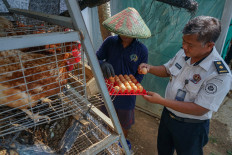
Govt earmarks Rp 17 trillion for integrated livestock ecosystem
The Agriculture Ministry has earmarked around Rp 17 trillion to develop an integrated livestock industry across Indonesia, with five initial sites targeted for completion next year as the government seeks to strengthen domestic supplies of chicken, eggs and milk.


Academia 2 months ago
PREMIUM
As Modi visits Jakarta, what should Indonesia do with Sabang?
As Prime Minister Modi visits Jakarta, Indonesia must seize India’s $9 billion Great Nicobar Project not as a geopolitical threat, but as the ultimate catalyst to finally unlock Sabang’s untapped economic potential.
Editor's Picks
Popular
- Popular discontent is justified. Authoritarianism is not the answer
- Govt under pressure as 3 million home drive hits cracks
- Recentralization concerns in fiscal, education heighten
- Safeguarding Indonesia's AI future
- Power exports to Singapore hinge on regulatory clarity
- Indonesian wildfires threaten critically-endangered orangutan: IUCN
- Indonesia signs UN treaty to combat, prevent cybercrime
- Death toll from Java Sea ferry sinking jumps to 64
- Trump rejects Iran proposal for deal to reopen Hormuz
- BI to expand QRIS to Timor Leste, Hong Kong


