Can't find what you're looking for?
View all search resultsCan't find what you're looking for?
View all search resultsJakarta’s only regency is currently served by 11 water taxis serving four routes connecting the Muara Angke port in North Jakarta with Thousand Islands’ inhabited islands, as tickets can reach up to Rp 74,000 (US$4.17) per trip.

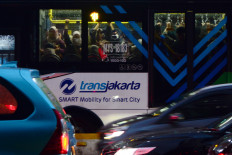
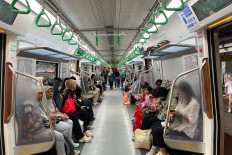
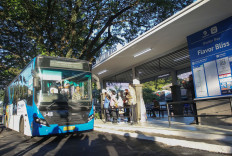
A proposal to raise Transjakarta bus fares has drawn concern among commuters, who fear even what officials describe as a modest increase would further strain household budgets amid persistent coast-of-living pressures.
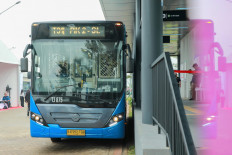
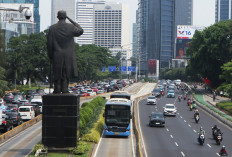
While often viewed as a public cost, Transjakarta is actually a massive economic driver generating three times its weight in national output. By shifting focus from fuel subsidies to transit integration, Indonesia can clear its skies and its balance sheets simultaneously.
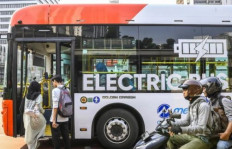
The expansion of the city-owned bus network Transjakarta has reduced household spending while generating economic returns worth three times its subsidy, a new study found, underscoring the broader benefits of investing in reliable public transportation systems.
One year in, Jakarta’s "more colorful" makeover is facing a gray reality of systemic waste and stagnant flood mitigation. With the honeymoon over, the city’s 11 million residents are waiting to see if their governor will finally tackle the perennial problems lurking behind the populist wins.
The Jakarta administration’s free transit program has been met with some skepticism after it was expanded to include civil servants and private employees just above minimum wage line, given its recent plan to hike Transjakarta bus fares.
Share your experiences, suggestions, and any issues you've encountered on The Jakarta Post. We're here to listen.
Thank you for sharing your thoughts. We appreciate your feedback.