The Jakarta Post
Please Update your browser
Your browser is out of date, and may not be compatible with our website. A list of the most popular web browsers can be found below.
Just click on the icons to get to the download page.


Popular Reads
Top Results
No results found. Please check your search term and try again
Can't find what you're looking for?
View all search results
Popular Reads
Top Results
No results found. Please check your search term and try again
Can't find what you're looking for?
View all search resultsdemocracy
Academia 2 months ago
PREMIUM
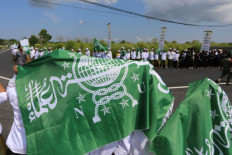
Why NU's leadership race matters beyond Indonesia
The upcoming leadership transition at Nahdlatul Ulama is not just an internal election; it is a high-stakes contest that will shape the future of global Islam, democratic resilience and Indonesia's trajectory toward 2029.

Academia 2 months ago
PREMIUM
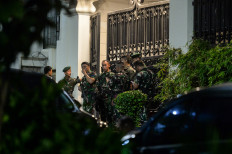
Justice at the barrel of a gun: The anticlimax of antigraft policy
When institutional rivalries push heavily armed soldiers to negotiate the return of seized evidence, Indonesia faces a critical choice: uphold the civilian rule of law or allow justice to be dictated by the barrel of a gun.
Asia & Pacific 2 months ago
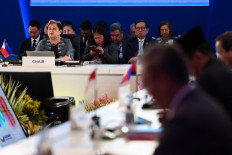
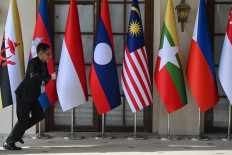
ASEAN ministers push stalled peace plan in Myanmar talks
The meeting between foreign ministers of several members of the 11-nation Association of Southeast Asian Nations (ASEAN) and Myanmar's Foreign Minister Tin Maung Swe was the first such gathering since a 2021 military coup in the country.
Academia 2 months ago
PREMIUM
Two generals, one democratic corridor
As Indonesia honored its fallen soldiers alongside those of Timor-Leste last week, the occasion served as a reminder of the parallel journeys the two bordering neighbors have trod, not least in their leaders' approaches to maintain national defense and public security within the corridors of democracy.

Academia 2 months ago
PREMIUM
Mitigating the impacts of a shift from a market economy to state capitalism
As President Prabowo pushes for a massive structural pivot toward state economic sovereignty, Indonesia faces a high-stakes gamble: Can it resurrect the ideals of a Pancasila economy without stumbling into the traps of heavy-handed economic nationalism?
Editor's Picks
Popular
- Public health measures urged amid El Niño's extreme heat
- The agrarian reform law and investment prospects of palm oil
- Trade surplus grows in August on higher manufacturing exports
- A ministry restored
- Prabowo’s reshuffle bring ties with Jokowi back into focus
- New police chief orders major shake-up
- Bringing the military back in
- Mercenary recruitment becomes new threat for Riau Islands migrant workers
- Women turn forest foods into new livelihoods
- Employers, workers struggle to find common ground as employment bill nears passage


