Can't find what you're looking for?
View all search resultsCan't find what you're looking for?

View all search resultsThe torrential rain and whirlwind that struck Medan underscore the increasingly uneven weather patterns across Indonesia, with some parts of the archipelago experiencing intense rainfall even as the dry season expands and intensifies elsewhere.
Four days after a powerful earthquake struck East Nusa Tenggara (NTT), residents in remote parts of East Manggarai were still waiting for assistance on Tuesday, with many sleeping in makeshift tents as continuing aftershocks kept them away from their damaged homes.
A clash between a group of people and security personnel erupted in Banda Aceh following the raising of a flag associated with a former separatist movement crescent in place of the national flag over the weekend, fueling tensions ahead of Indonesia’s Independence Day.
The Meteorology, Climatology and Geophysics Agency (BMKG) data showed that 1,624 aftershocks had struck NTT as of Monday, including 23 with magnitudes above 5.0. The strongest aftershock recorded so far measured magnitude 6.2.
With extreme weather and natural disasters becoming more common across Southeast Asian nations, ASEAN Secretary-General Kao Kim Hourn has sounded the alarm over the “urgent” challenge posed by climate change, which he said threatened the region’s safety, food security and economic resilience.
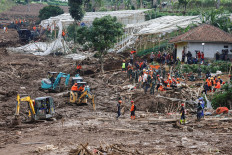
The activities included exchanging expertise, refining response procedures, subject matter expert engagements and disaster management workshops in Sibolga and Central Tapanuli, North Sumatra, on July 21-31.
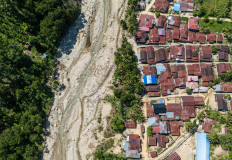
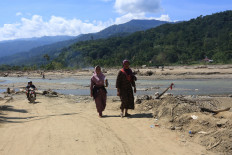
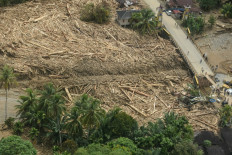
The flooding in North Sumatra highlights Indonesia's increasingly uneven weather patterns, with some regions experiencing heavy rainfall even as the dry season intensifies across much of the archipelago.
Share your experiences, suggestions, and any issues you've encountered on The Jakarta Post. We're here to listen.
Thank you for sharing your thoughts. We appreciate your feedback.