The Jakarta Post
Please Update your browser
Your browser is out of date, and may not be compatible with our website. A list of the most popular web browsers can be found below.
Just click on the icons to get to the download page.


Popular Reads
Top Results
No results found. Please check your search term and try again
Can't find what you're looking for?
View all search results
Popular Reads
Top Results
No results found. Please check your search term and try again
Can't find what you're looking for?
View all search resultspolice
Academia 2 months ago
PREMIUM
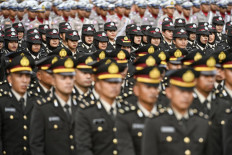
Symbolic parade, state violence and contraction of civic space
Behind the grand spectacle of the 80th National Police anniversary, the force faces growing scrutiny over a stark, documented rise in state-sanctioned violence and civic repression. As new legislative frameworks expand police powers while dismantling oversight, the line between public security and political instrumentalization is blurring dangerously.

Archipelago 2 months ago
PREMIUM
Bali police deny assault on Algerian tourist held over theft allegations
On Friday, M's lawyer, Florentina, alleged that her client was assaulted by about 10 officers at the Kuta Police station after he refused to disclose where he was staying in Bali during questioning.

Politics 2 months ago
PREMIUM
Graft probe draws scrutiny over police, military roles in free meals program
The widening corruption probe into President Prabowo Subianto’s free nutritious meal program has implicated a police brigadier general and a military officer, intensifying scrutiny over active-duty personnel in government welfare programs.
Archipelago 2 months ago
PREMIUM
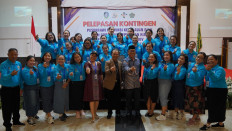
Pesparawi committee reports travel fraud as Riau Islands choir left stranded
A provincial committee managing the Riau Islands' participation in a national choir festival has filed a police report alleging fraud by a travel agency after 63 chorists and officials were left stranded in Jakarta, unable to make the final leg of their trip to the event in Manokwari, West Papua.
Politics 2 months ago
PREMIUM
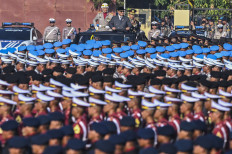
Prabowo lauds police amid concerns over stalled reforms
President Prabowo Subianto has praised the National Police and their chief for pushing reforms in policing and playing an extra role in food security, amid persistent criticism that institutional reforms have stalled.
Archipelago 3 months ago
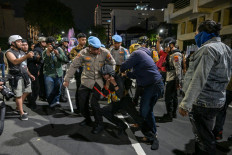
Ten remain in detention after violent anti-government protest in Surabaya
As tensions escalated, some demonstrators threw bottles, stones and firecrackers, while others dismantled a metal barricade on the eastern side of the Grahadi State Building and hurled it into the government compound, according to police.


Archipelago 3 months ago
PREMIUM
Lone woman's 'drug raid' reveals lax enforcement in N. Sumatra
A woman has gone viral on social media for her video documentation of an alleged drug den and meth factory in North Labuhanbatu regency, North Sumatra, which has prompted a leading member of the provincial legislature to demand that the local police step up their game against drug dealers and traffickers.

Editor's Picks
Popular
- Popular discontent is justified. Authoritarianism is not the answer
- Recentralization concerns in fiscal, education heighten
- Govt under pressure as 3 million home drive hits cracks
- Sugarcane farmers query House over sugar imports
- The agrarian reform law and investment prospects of palm oil
- Jakarta international airport extends closure after Anak Krakatau eruption
- Militarization by request: The quiet creep in Jakarta
- Women fight fires, sexism in Kalimantan
- Safeguarding Indonesia's AI future
- Govt suspends BDx data center project in West Java amid environmental concern


